About Transport System and Routes Development in Canada
A well-developed transport system is crucial for the efficient movement of people and goods, facilitating economic growth and improving the quality of life. Canada has a vast geography, and a well-established transportation system is necessary to connect its diverse regions. This article provides an overview of transport development in Canada and its largest cities, the government’s efforts and the contribution of various organizations.
Transit Routes in Different Provinces and Cities
Canada has developed an extensive network of transportation routes connecting its provinces and major cities. Below are some examples of well-developed transportation routes in Canada:
Overview of the Victoria Transit System
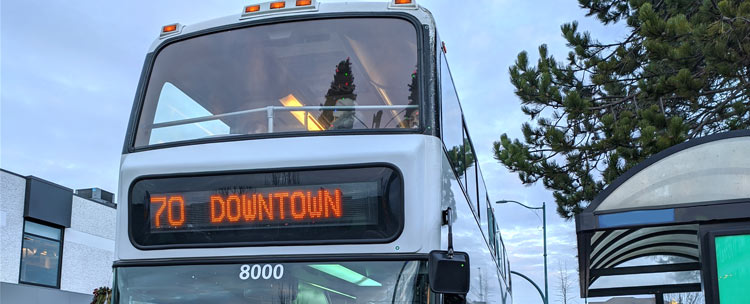
Victoria Transit system is the primary transit service provider for the Greater Victoria area of British Columbia, Canada. It operates a network of bus routes, community shuttles, and a downtown shuttle. The transit system serves around 100,000 passengers daily and operates 365 days a year.
Popular Bus Routes and Schedules
The Victoria Transit system has over 47 bus routes serving different parts of the city. Some of the popular routes include:
| Route Number | Route Name |
|---|---|
| 4 | UVIC / Downtown |
| 6 | Royal Oak / Downtown |
| 11 | Tillicum Mall / Downtown |
| 14 | Vic General / UVIC |
Planning Trips using Victoria Transit Website and App
The Victoria Transit system has a website and a mobile app that provides real-time bus schedules, trip planning, and service alerts. Passengers can plan their trips by entering their starting location and destination on the transit website or app, and the system provides route options, fare information, and estimated travel times.
Interesting Facts about the Victoria Transit System
- Victoria Transit introduced electric buses in 2021, making it the first transit system in Canada to do so.
- The transit system also offers an onboard bike rack service that allows passengers to carry their bicycles on the bus.
- Victoria Transit won the 2019 Outstanding Public Transportation System Achievement Award from the Canadian Urban Transit Association.
Overview of the BC Transit System
BC Transit is a public transit service provider for British Columbia, Canada, serving over 130 communities across the province. The transit system operates a mix of buses, community shuttles, and rail services, including West Coast Express, operating in the Greater Vancouver area.
Comparison of Victoria Transit and BC Transit Systems
The Victoria Transit system is a part of the larger BC Transit system. While Victoria Transit serves the Greater Victoria area, BC Transit serves the entire province. The two systems differ in the number of routes, types of vehicles, and the level of service provided.
Popular Bus Routes and Schedules
BC Transit operates over 100 bus routes across the province, including the Victoria Transit routes. Some of the popular routes include:
| Route Number | Route Name |
|---|---|
| 3 | Brentwood Bay / Sidney |
| 5 | Langford / Downtown |
| 17 | Cedar Hill / UVIC |
Planning Trips using BC Transit Website and App
The BC Transit website and mobile app provide passengers with real-time transit schedules, trip planning, and fare information. Passengers can plan their trips by entering their starting location and destination, and the system provides route options, estimated travel times, and fare information.
Interesting Facts about the BC Transit System
- BC Transit introduced double-decker buses on several routes in 2018, increasing passenger capacity and reducing fuel consumption.
- BC Transit operates several electric buses in different parts of the province, including Victoria, Kelowna, and Whistler.
- The West Coast Express, operated by BC Transit, is a commuter rail service that connects the eastern suburbs of Vancouver to downtown Vancouver, operating on weekdays.
Overview of West Coast Express and Sidney Transit
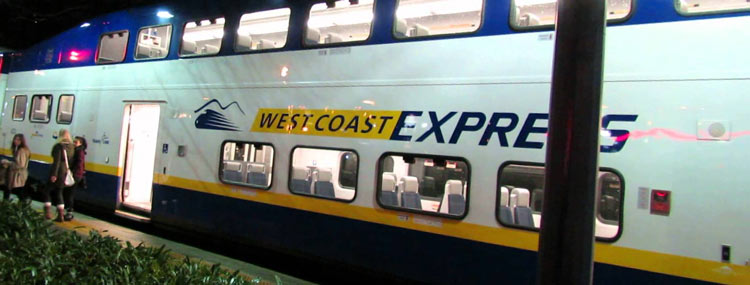
The West Coast Express is a commuter rail service operated by BC Transit, connecting the eastern suburbs of Vancouver to downtown Vancouver. Sidney, BC, is a town located on the southern tip of Vancouver Island, and its transit system serves the town and neighbouring areas.
Popular Routes and Schedules
The West Coast Express operates on weekdays, with several trains departing from different stations in the morning and evening. The Sidney transit system has six bus routes serving the town and neighbouring areas.
| Route Number | Route Name |
|---|---|
| West Coast Express | Mission City – Vancouver |
| Sidney Transit | Route 81 |
Planning Trips using the Transit Systems’ Websites and Apps
The West Coast Express and Sidney transit system websites and mobile apps provide passengers with real-time transit schedules, trip planning, and fare information. Passengers can plan their trips by entering their starting location and destination, and the system provides route options, estimated travel times, and fare information.
Interesting Facts about West Coast Express and Sydney Transit
- The West Coast Express operates on a 69- kilometre railway track, with six stations between Mission City and Vancouver.
- The Sidney transit system offers a “handyDART” service, providing transportation for people with disabilities who cannot use regular buses.
- The Sidney transit system operates a community shuttle service that serves seniors and disabled residents, providing door-to-door transportation.
Organizations Contributing to the Development of Transport Routes
Several organizations are actively involved in the development of transport routes in Canada. These organizations work towards promoting sustainable and equitable transportation systems that meet the needs of Canadians. Some of the organizations contributing to the development of transport routes include:
- Transport Action Canada: Transport Action Canada is a non-profit organization that advocates for sustainable transportation policies and initiatives across the country.
- Other Organizations and Their Contributions: Other organizations, such as the Canadian Urban Transit Association and the Railway Association of Canada, also play a significant role in the development of transportation infrastructure and services.
Government Steps to Improve the Transport Sphere
The Canadian government has undertaken various initiatives to improve the transportation infrastructure and promote environmental sustainability and social equity. Some of the significant steps taken by the government include:
| Government Steps to Improve Transport | Description |
|---|---|
| Infrastructure Investments | The Canadian government has invested heavily in building and maintaining transportation infrastructure such as roads, bridges, and airports, among others. |
| Environmental Sustainability Initiatives | The government has introduced policies to reduce greenhouse gas emissions, promote renewable energy, and support electric vehicles, among others. |
| Social Equity Initiatives | The government has implemented policies to ensure access to transportation for all Canadians, including underserved communities and persons with disabilities. |
The Importance of Sustainable Transport in Reducing Pollution and Traffic Congestion
Sustainable transport is essential in reducing transportation pollution and traffic congestion. According to the United Nations, the transportation sector accounts for about one-quarter of global greenhouse gas emissions, with road transportation being the largest contributor. By choosing sustainable modes of transportation, such as biking, walking, or public transit, individuals can reduce their carbon footprint and help mitigate the negative impacts of transportation pollution. Additionally, sustainable transport options can help reduce traffic congestion, which improves air quality and reduces commute times.
Pros
- Reduces carbon footprint
- Improves air quality
- Reduces traffic congestion
- Cost-effective transportation option
Cons
- Limited range and availability of some options
- Weather-dependent for biking and walking
Overview of Sustainable Transport Options in Victoria
Victoria, BC, is a city that promotes and supports sustainable transportation options. The city offers a range of sustainable transportation options that individuals can use to reduce their environmental impact and improve their commute.
Popular Sustainable Transport Options
| Sustainable Transport Option | Schedule |
|---|---|
| Biking | N/A |
| Walking | N/A |
| Public Transit | BC Transit Schedule |
| Carpooling | N/A |
| Electric Vehicles | N/A |
How to Plan Trips Using Sustainable Transport Options
Individuals can use various resources to plan their trips using sustainable transport options. The BC Transit website offers information on schedules and routes, while online maps can help plan bike and walking routes. Additionally, carpooling apps and websites can help connect individuals with others who are interested in sharing rides.
Interesting Facts Sbout Sustainable Transport Options in Victoria
- Victoria has over 1,200 bike parking spaces in the downtown area alone.
- BC Transit buses in Victoria are equipped with bike racks, allowing individuals to combine biking and public transit for longer trips.
- Victoria has over 50 charging stations for electric vehicles.